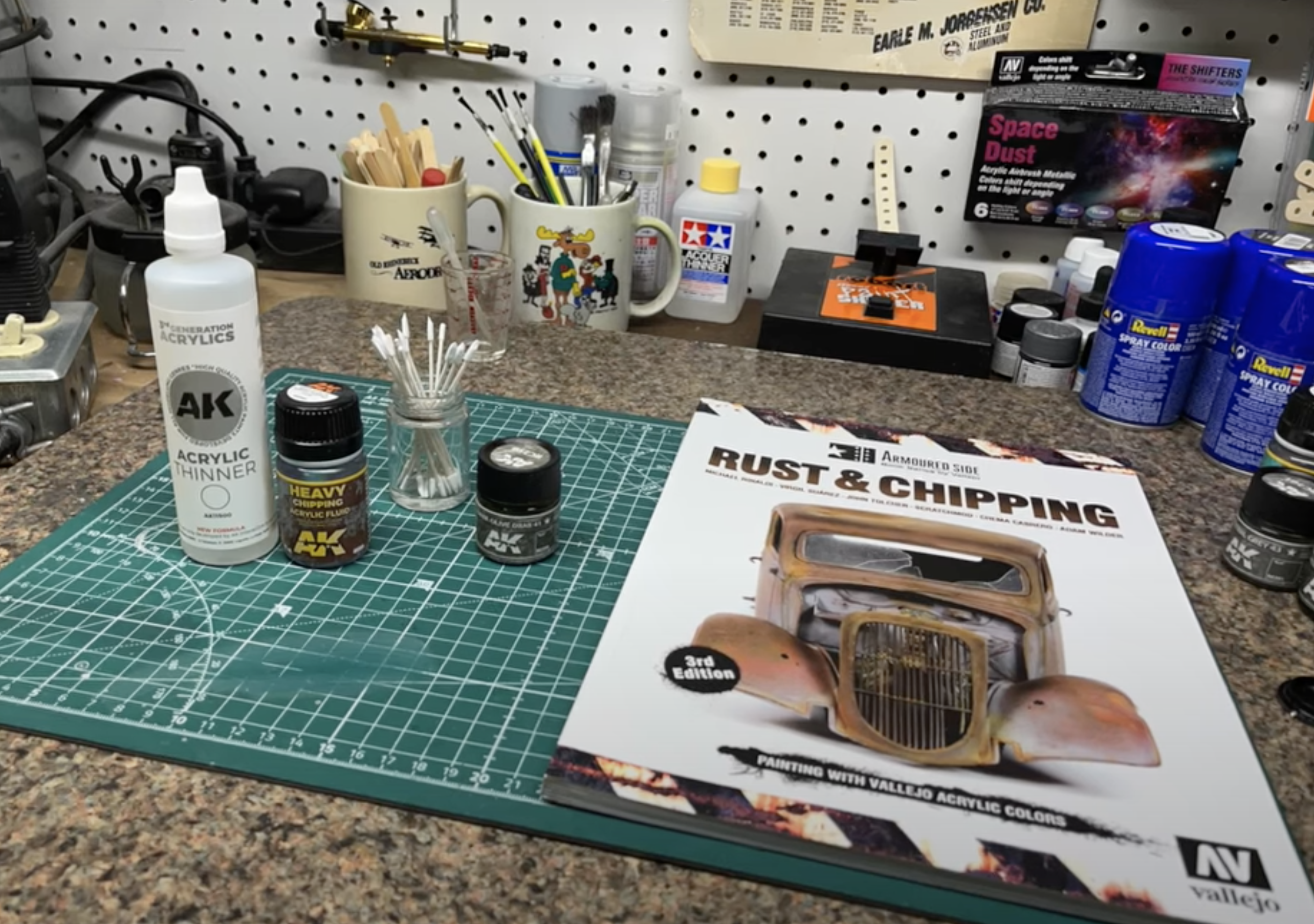

Mastering Realistic Weathering Techniques: Using Paint Chipping on Plastic Model Kits
Posted by MegaHobby.com on Jan 11th 2024
 The allure of scale modeling lies not just in the precision of assembly but in the artistry of bringing these miniatures to life. One often overlooked yet impactful aspect is weathering—a technique that elevates a model's realism. Today, we're diving into the fascinating world of paint chipping, a weathering effect that adds depth and character to your creations.
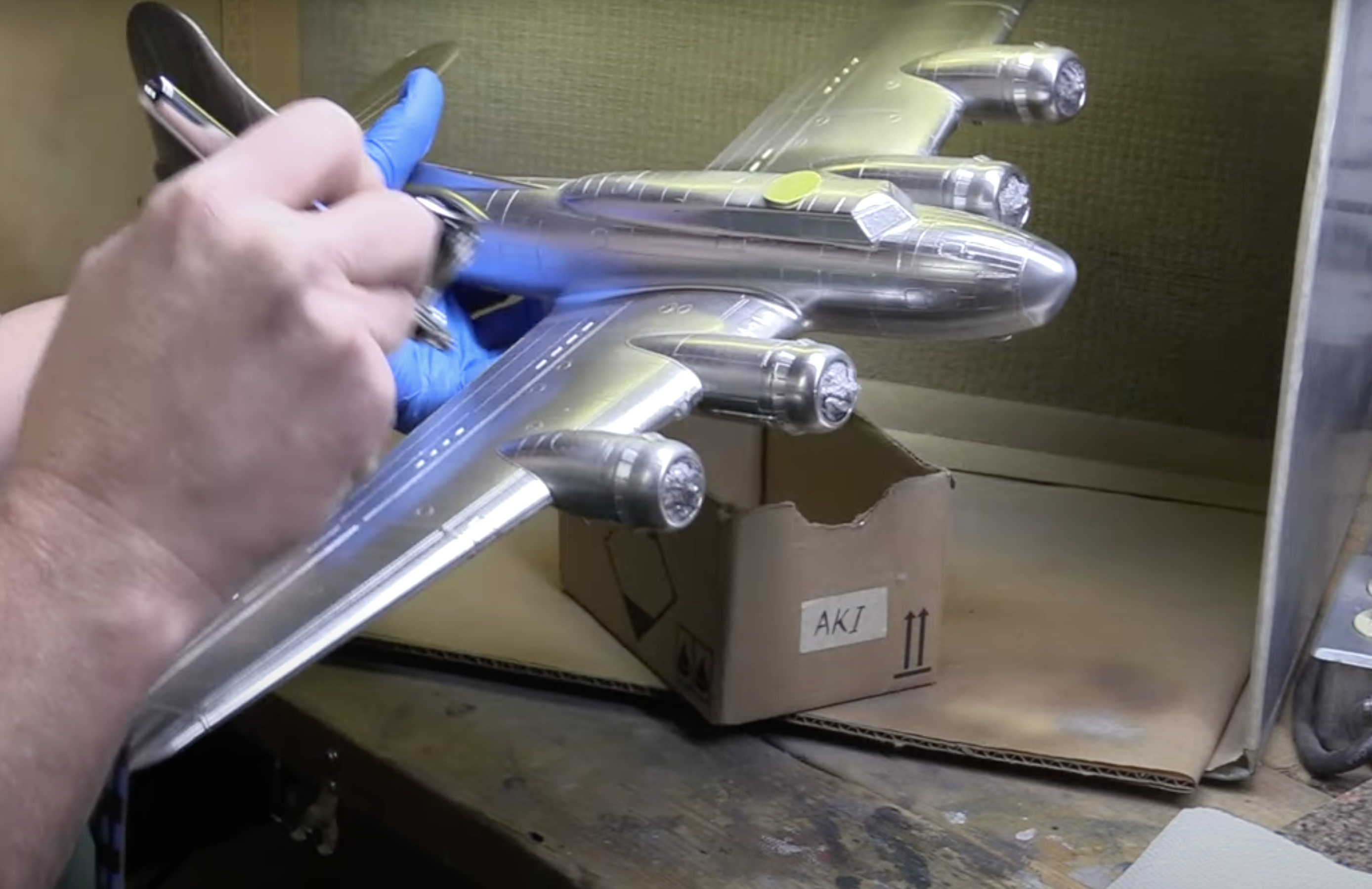
Our focus? The legendary B-17 model, a canvas for exploring the intricacies of this weathering art form. You might wonder why our B-17 model appears chromed in silver despite planning an olive drab finish. Well, this is the groundwork. Authentic weathering requires an understanding of real-life wear and tear.
Imagine a vintage car with scratched paint revealing the metal beneath. Similarly, aircraft have layers—a metal base coated with primer and paint. Paint chips expose this underlying metal, mirroring the reality of everyday usage and maintenance.
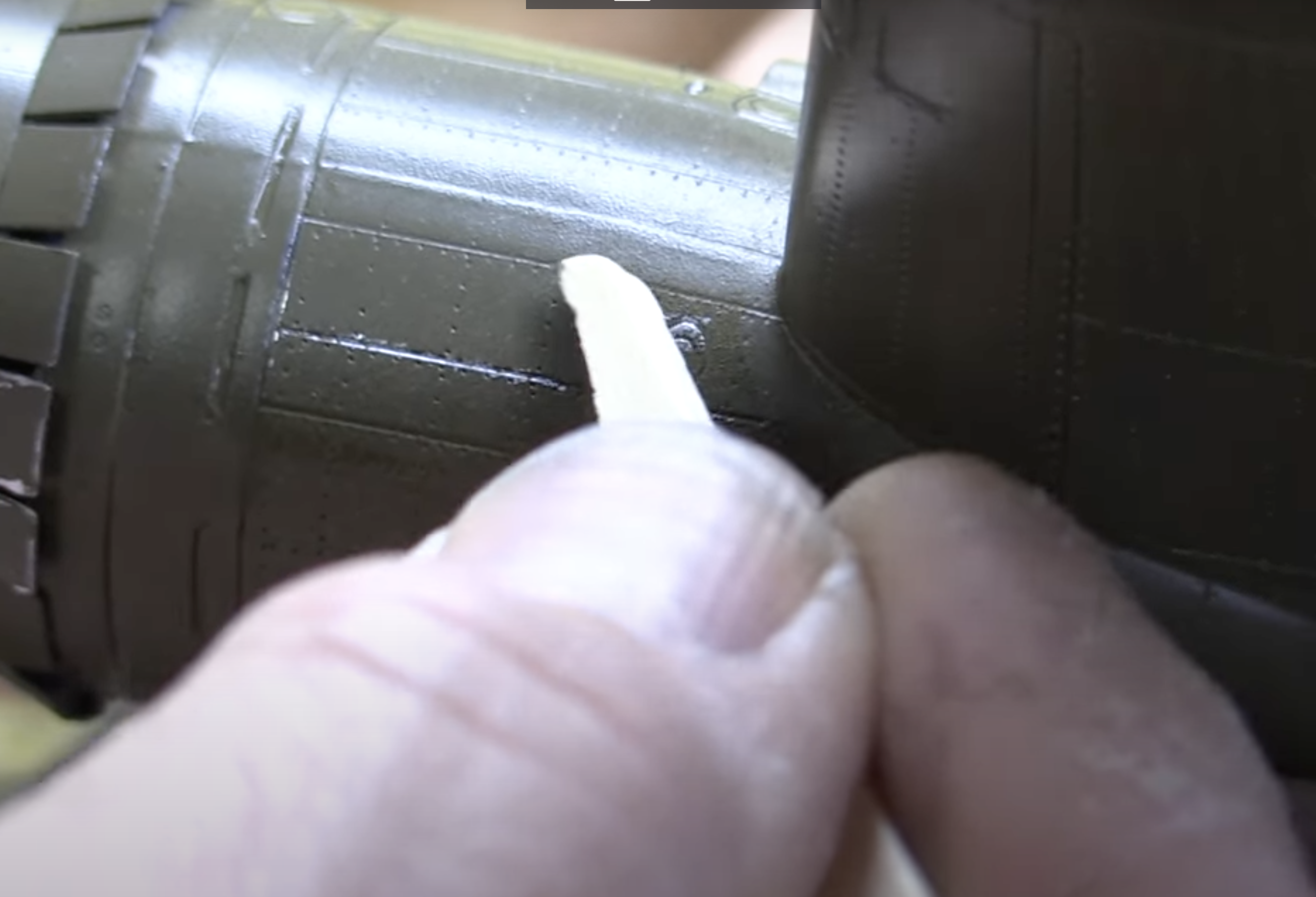
Enter chipping fluid—the magician behind this effect. We're using Vallejo's Chipping Medium and AK Interactive's Heavy Chipping Fluid to craft authentic wear patterns. The process begins by applying this fluid to the selected areas of the model, simulating where wear naturally occurs.
Our B-17's engine cells are the prime candidates. These areas often endure the brunt of mechanical work, leading to chipped paint. Using an airbrush, we evenly coat these sections with the chipping fluid, establishing the groundwork for our weathering masterpiece.
Here's a pro tip: stick to the same brand for both the paint and its corresponding thinner. This ensures compatibility and optimal performance. Following this advice, we proceed with AK Real Colors' olive drab paint using its recommended thinner for a smooth application.
With the paint drying, anticipation builds for the chipping stage—the magical transformation. This phase involves adding moisture to the painted surface and delicately removing sections of paint, revealing the metallic undercoat below. Precision and subtlety are key here, replicating the natural chipping process to achieve an authentic, weathered appearance.
This technique requires observation, too. We took cues from real B-17s, analyzing where chipping naturally occurs—around doors, hatches, and particularly the engine cells—areas subjected to constant mechanical attention.
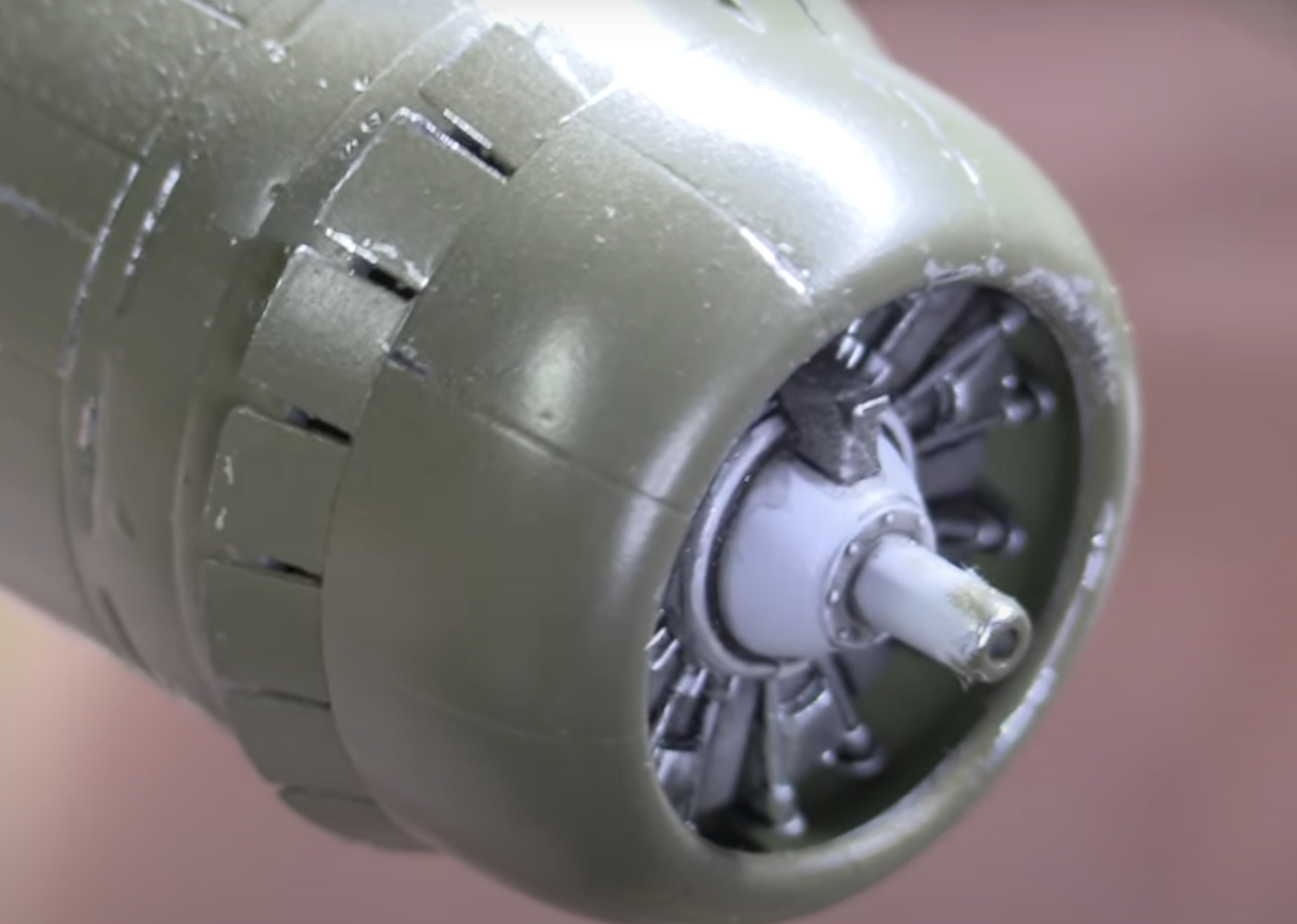
The result? Realism brought to life on a scale model kit. The olive drab finish now displays subtle yet impactful paint chips, offering depth and character to our B-17's engine cells. Even on a smaller scale, the effect is strikingly realistic, mimicking the wear and tear experienced by these iconic aircraft.
Exploring weathering techniques like paint chipping opens a gateway to enhancing your models' storytelling potential. It's a testament to the craftsmanship and dedication in recreating reality in miniature form.
Stay tuned for more explorations into weathering techniques and model-building insights. If you're eager to try your hand at paint chipping, explore our range of chipping fluids, paints, and tools—the essentials for mastering this captivating artistry.