
How to Mask a Plastic Model Kit
Posted by MegaHobby.com on Jan 11th 2024
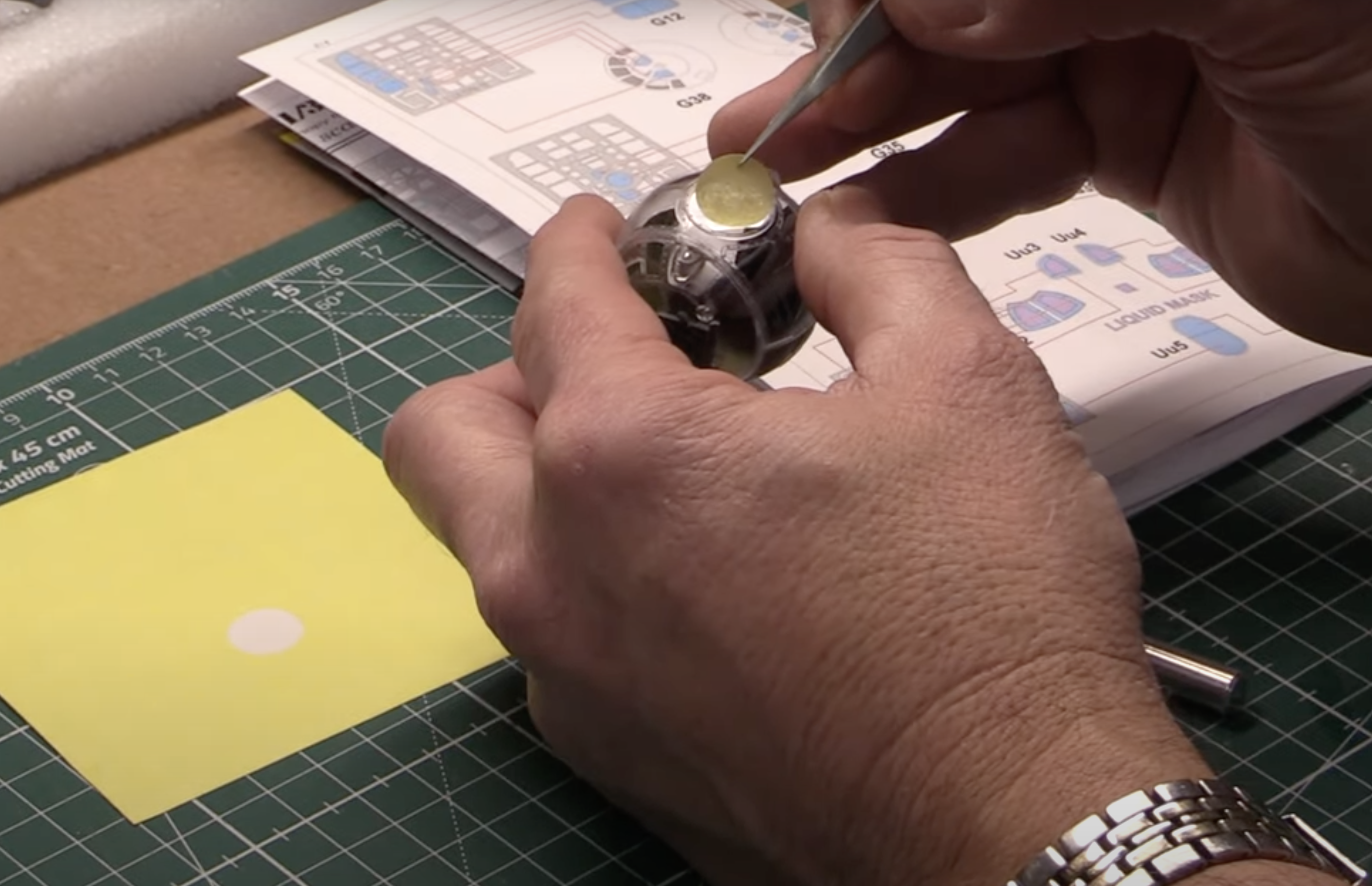
Clear parts, especially canopies and windows, demand precision handling. A single mishap with glue can mar their pristine clarity. Enter Eduard Masks—the game-changer. These meticulously crafted masking sheets are designed to protect clear parts during painting, ensuring a flawless finish. You will also need Tamiya masking tape, a circle cutter, a self-healing cutting mat, a ruler, and a hobby knife.
The process begins by carefully placing these masks over the clear sections, effectively safeguarding them from paint application. We've taken the liberty to showcase this technique on the ball turret—a part adorned with several windows crucial for the gunner's visibility.
An Eduard masks package includes detailed instructions and a set of pre-cut masking sheets. Navigating through the sheets might seem daunting at first, but with attention to detail, it's a straightforward process. Using a hobby knife and tweezers, just carefully place the masks over the turret's windows, ensuring precise alignment.
Taking a step back from the turret, you can see two small openings—an oversight that could let paint seep in. A quick masking of these ejection chutes averts any unwanted paint intrusion.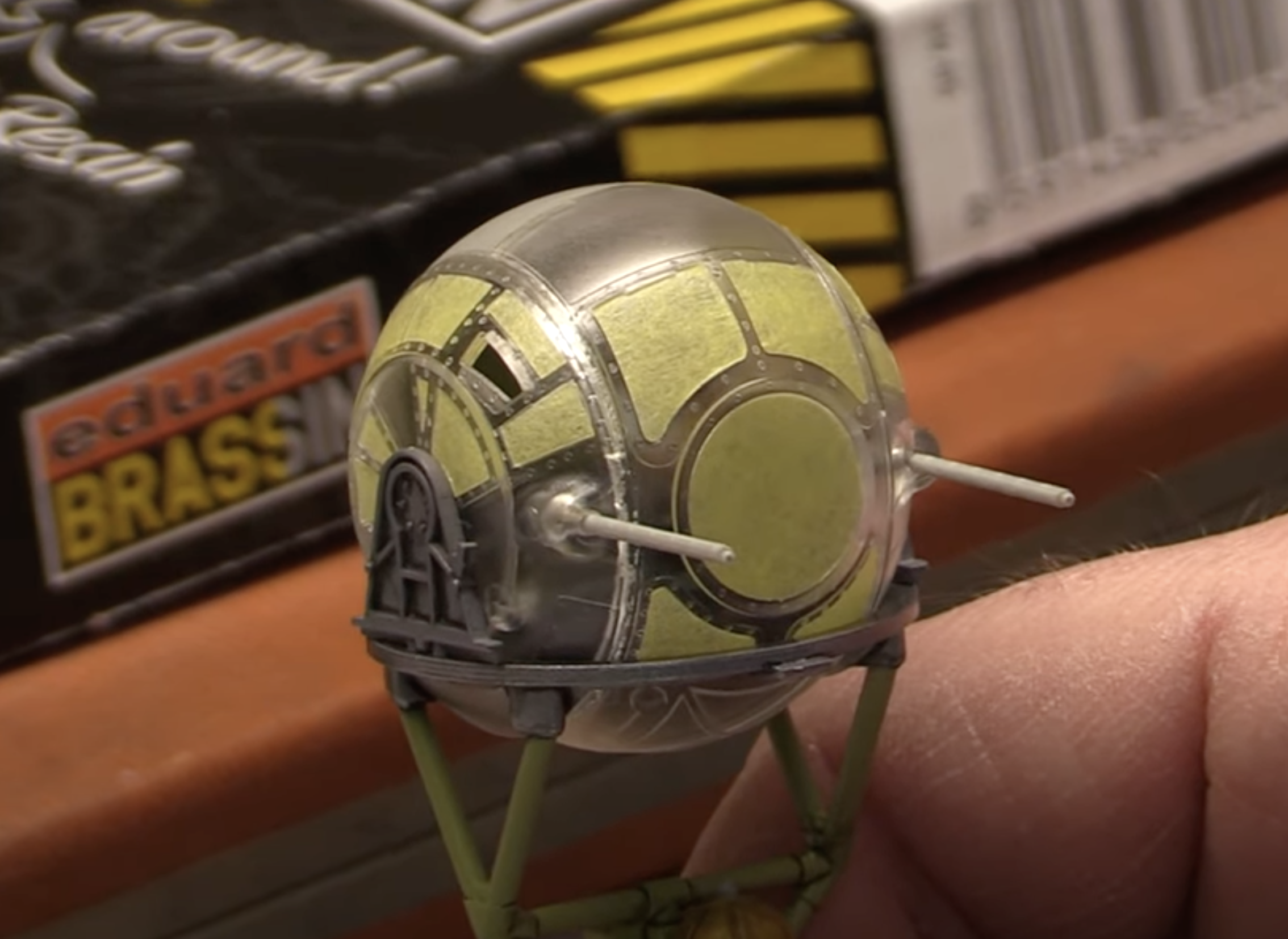
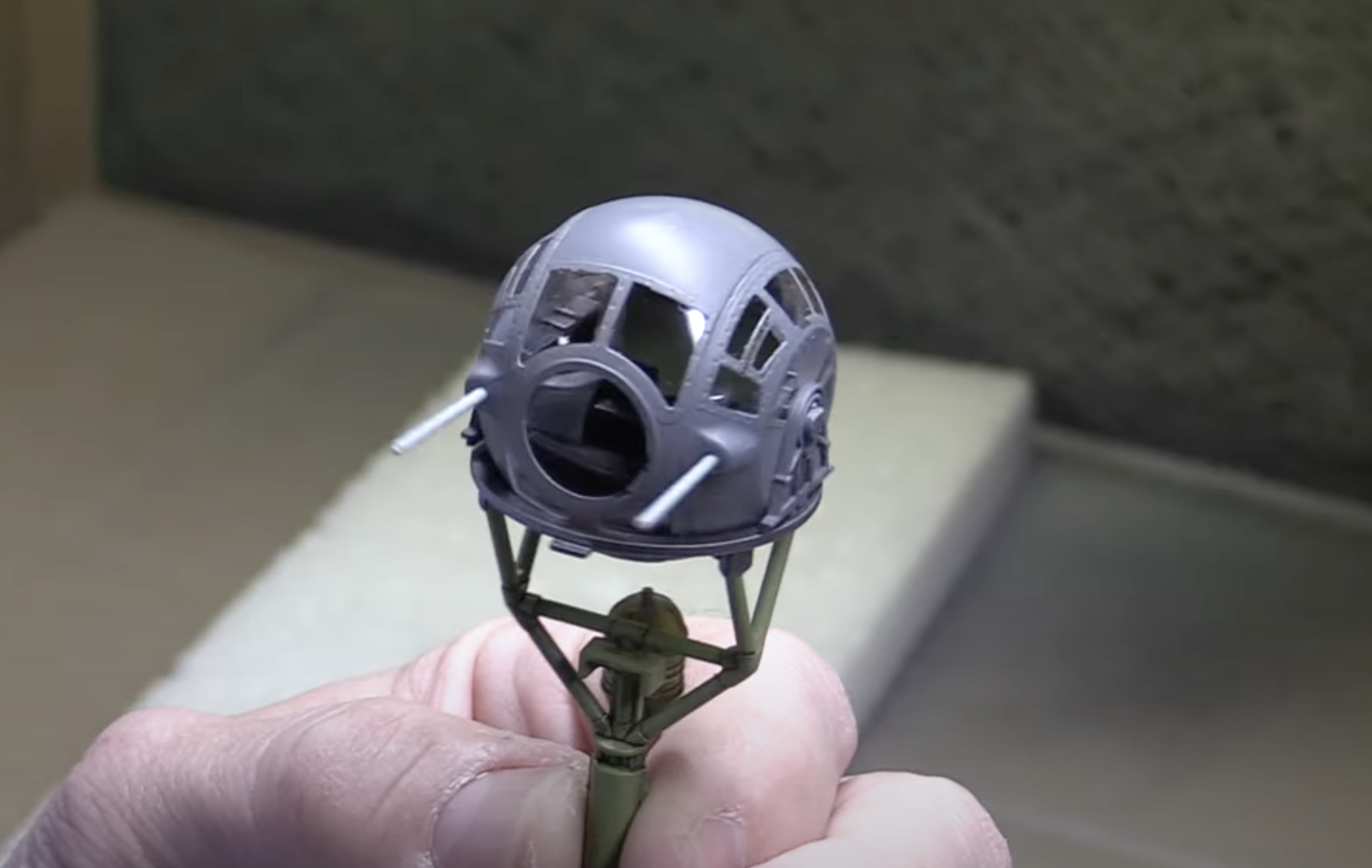
Once all the masks are in place, it's time for primer and paint. A light coat of primer helps confirm seam lines and ensures an even paint application. Then, it's the moment of truth—the painting stage. Carefully applied coats of paint bring the model to life, following which the removal of the masks reveals the clarity of the preserved clear parts.
Using the circle cutter is straightforward—measure the diameter needed, cut the circle, and voila! It's ready to be placed. This handy tool isn't just for windows but also ideal for masking circular sections like wheels on armored models.
For the windows, masking tape and a careful outline with a pencil create a template. Cutting this out ensures a snug fit for each window, preventing any primer from seeping in during application.
An additional tip involves using liquid masker (Humbrol Maskol or Molotow Masking Markers) along the edges of the taped windows. Applying this with a cotton swab seals the edges, guaranteeing no paint seepage under the tape during priming.
The removal process requires patience and caution, ensuring that the paint's removal doesn't impact the pristine look of the clear parts. A few touch-ups here and there might be needed, but the results are impeccable—a beautifully painted ball turret with clear, unblemished windows.
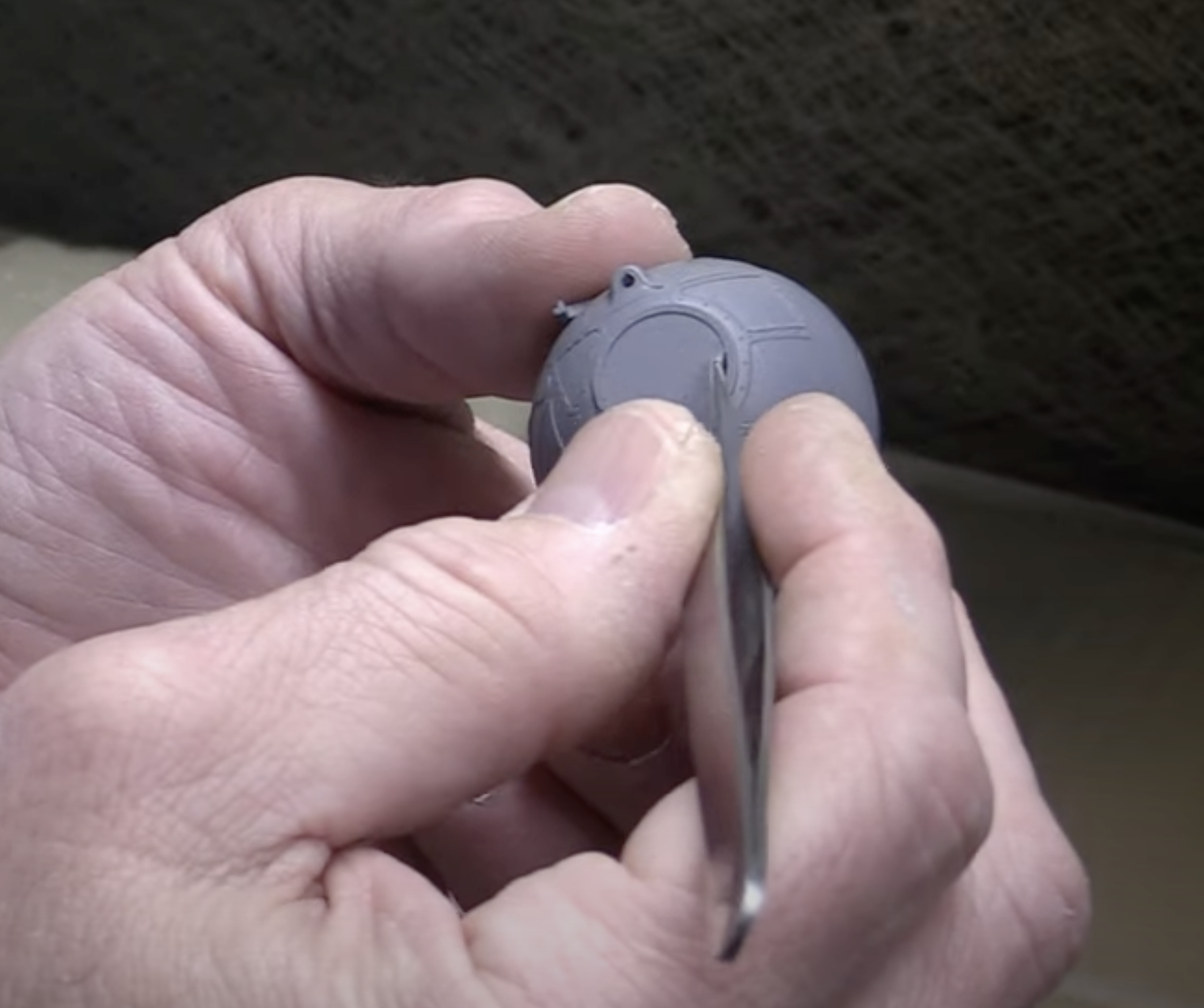
With this success, we can now move forward to mask and paint the rest of the aircraft, ensuring that every clear part maintains its clarity and adds that final touch of realism to the model.
Stay tuned for more insights into model-building techniques and explore our range of Eduard masks and other accessories to master the art of precision in your scale model projects.